7 Signs Your Charity Has Outgrown Its Informal Systems
The systems that worked when your charity was smaller may now be creating pressure, risk and unnecessary work. Here is how to recognise when something needs to change.
7 minutes read
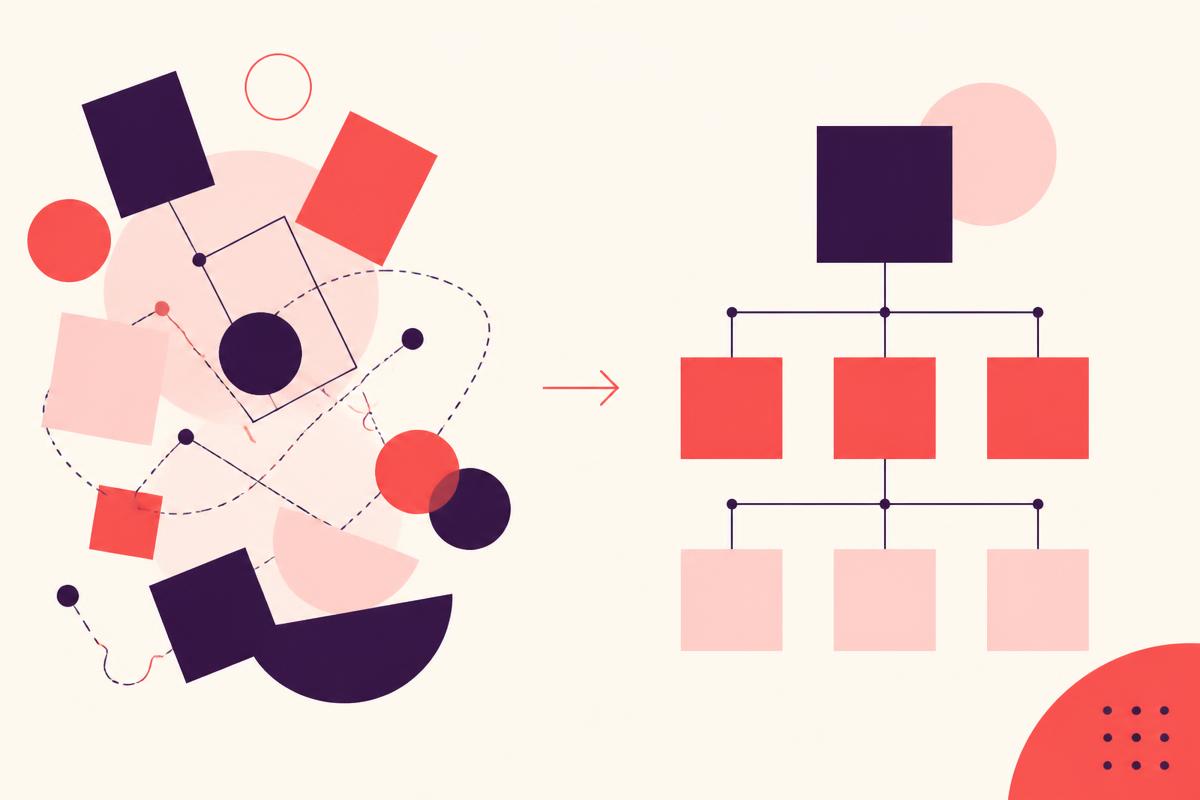
Most charities do not begin with a perfectly designed operational structure.
They begin with a cause, a committed group of people and an enormous amount of determination. Processes develop as they are needed. Information is stored wherever there happens to be space. The person who knows how everything works becomes the person everyone asks.
For a while, that can be enough.
But as the charity grows, the informal ways of working that once felt flexible can start creating pressure, duplication and risk. The problem is not that anybody has done something wrong. The organisation has simply reached a different stage.
Here are seven signs that your charity may have outgrown the systems supporting it.
1. Too much knowledge lives in one person's head
There is often one person who knows where everything is, what needs to happen next and how the organisation really works.
They remember the reporting deadlines. They know which version of the policy is current. They understand the history behind trustee decisions. They know who to contact when something goes wrong.
That knowledge is valuable, but it is also a vulnerability.
If that person is ill, takes leave or leaves the organisation entirely, important work can stall very quickly. It also means they rarely get the space to focus on their actual role because they have become the organisation's unofficial helpdesk.
Good systems do not remove the value of experienced people. They make sure the organisation is not entirely dependent on them.
2. The CEO is carrying too much operational detail
In a small charity, it is normal for the CEO to be closely involved in day-to-day operations.
The difficulty comes when they remain responsible for every policy update, supplier issue, recruitment process, trustee paper, contract question, deadline and internal problem, even as the organisation grows.
The CEO may be spending so much time keeping the organisation moving that they have very little capacity left for strategy, partnerships, income generation or leadership.
This is not always a time-management problem. Sometimes the role has simply become too broad for one person to carry safely and sustainably.
3. The same work is being done more than once
Perhaps information is being entered into several spreadsheets. Different team members are maintaining their own contact lists. Reports are being recreated because nobody can find the previous version. Documents are emailed back and forth because there is no clear shared location.
None of these tasks may feel especially serious on their own.
Together, however, they consume time, create inconsistent information and increase the likelihood of mistakes. They also make everyday work feel more complicated than it needs to be.
Before buying another system, it is worth understanding exactly where the duplication is happening and why.
4. Policies exist, but nobody is sure whether they are current
Many charities have a folder full of policies. Fewer have a reliable process for reviewing, approving and communicating them.
You may find that:
- review dates have passed
- several versions of the same policy exist
- staff are unsure which version applies
- trustee approval has not been recorded
- responsibilities are unclear
- policies do not reflect how the charity now operates
A policy is not useful simply because it exists. It needs an owner, a review cycle and a clear place within the charity's day-to-day practice.
5. Trustee meetings create a last-minute scramble
Board meetings should support good governance and decision-making. In many small charities, they also trigger several days of chasing papers, checking figures, rebuilding reports and trying to remember what was agreed at the previous meeting.
Papers arrive in different formats. Actions have not been tracked consistently. Important decisions may be buried in old minutes or email threads.
This usually indicates that the organisation needs a clearer governance rhythm rather than more last-minute effort.
A simple annual cycle for meetings, reporting, decisions, policy reviews and key deadlines can remove a surprising amount of pressure.
6. New staff learn by asking whoever is available
Informal induction can work when a team is very small. As the charity grows, it often leads to people receiving different information depending on who happens to train them.
New starters may not know:
- where important documents are stored
- which systems they need access to
- who owns particular decisions
- what the internal approval processes are
- which policies apply to their work
- how their role connects to the wider organisation
This slows people down and places additional pressure on established team members.
A practical induction process does not need to be complicated. It needs to be consistent, current and easy to follow.
7. Everyone is working hard, but the organisation still feels reactive
This is often the clearest sign.
The team is committed. People are working long hours. Problems are being solved every day. Yet there is a persistent feeling of being behind.
Important work is driven by whichever deadline is closest. Improvements are discussed but repeatedly postponed. The organisation moves from one urgent issue to another without enough time to step back and strengthen the foundations.
Working harder will not always solve this.
At some point, the charity needs the space to examine how work moves through the organisation, where responsibilities sit and what could be made clearer or simpler.
What should happen next?
Recognising these signs does not mean your charity needs an expensive transformation programme or a completely new set of systems.
It may need something much more practical:
- a clear view of current operational risks and pressure points
- defined responsibilities and decision-making routes
- a realistic policy and compliance schedule
- better organised information
- a stronger governance cycle
- simpler processes for recurring work
- additional operational capacity during a period of growth or change
The right response depends on the charity's size, priorities, people and resources.
The aim is not to make a small charity behave like a large institution. It is to create enough structure for people to do their best work without unnecessary confusion, duplication or pressure.